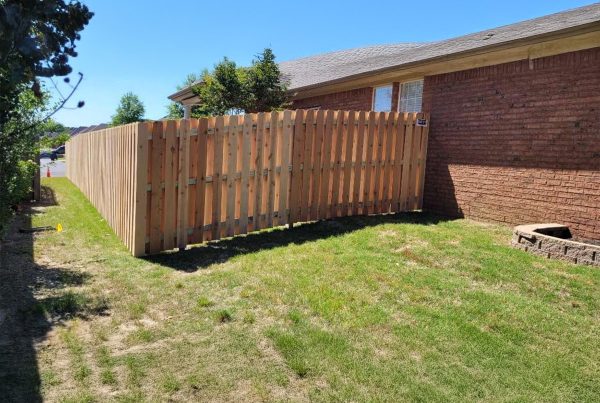
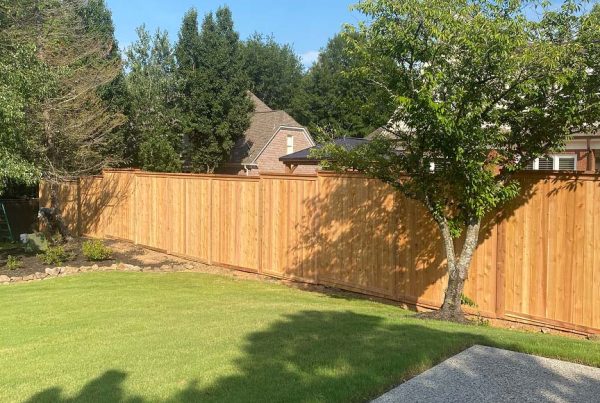
Memphis summers are tough on wood fences. Between the humidity, heavy spring rains, and intense afternoon sun, unprotected wood cracks, warps, and rots faster than most homeowners expect. The good news? A proper stain and seal job done at the right time can add years to your fence’s life. And June just happens to be the sweet spot to get it done.
Why Staining and Sealing Matters
Bare wood acts like a sponge. It absorbs moisture when it rains, expands in the heat, and contracts when temperatures drop. Over time, that constant cycle leads to cracking, warping, splintering, and rot — all of which are costly to fix and often mean replacing boards or entire fence sections sooner than you’d like.
Staining penetrates the wood to add color and UV protection, while sealing creates a barrier that repels moisture. Together, they’re the single most effective thing you can do to extend your fence’s life. A quality treatment can protect your fence for 2 to 5 years, skipping it entirely can cut the lifespan in half.
Why June Is the Right Time
Timing matters more than most people realize. Here’s why June hits the mark for Memphis homeowners:
The spring rains have slowed. Wood needs to be fully dry before stain is applied. Sealing moisture into the wood causes the finish to bubble, peel, and fail early. June’s drier stretch gives wood the time it needs to dry out properly after a wet spring.
Temperatures are in the sweet spot. Most stain and sealant products apply and cure best between 50°F and 90°F. June in Memphis sits right in that window — July and August can push well above 95°F, causing product to dry too fast and preventing proper penetration into the wood grain.
You’re getting ahead of peak UV damage. The most intense sun of the year hits in July and August. Sealing in June means your fence goes into the hardest months with a fresh coat of protection, not coming out of them.
Signs Your Fence Is Overdue
Not sure if your fence needs attention? Try the water test: splash a small amount of water on the wood. If it beads up and rolls off, the sealant is still working. If it soaks straight in and darkens the wood, protection has worn off and it’s time to act.
Beyond that, watch for these common warning signs:
- Graying or silvering of the wood — UV damage stripping the natural color
- Cracking or splitting along the grain — moisture cycling taking its toll
- Dark staining or black spots — early signs of mold and mildew
- Soft or spongy areas near the ground — the beginning of wood rot
The earlier you catch and treat these signs, the less damage you’re dealing with and the less it costs to fix.
When to Call a Professional
A bad stain job — wrong product, poor prep, or moisture sealed in, can actually accelerate damage rather than prevent it. If your fence is large, the wood is heavily weathered, or you’re unsure what products are right for your situation, it’s worth bringing in a professional.
At Bluff City Fence, we assess your fence’s current condition, recommend the right treatment approach, and handle the entire job from start to finish so you know it’s done right.